Airports are some of the busiest transportation hubs in the world, with thousands of passengers, employees, and airline crews passing through daily. Long travel hours, high stress, and large crowds make airports high-risk environments for sudden cardiac arrest. Having Automated External Defibrillators readily available ensures that immediate, life-saving action can be taken before emergency medical services arrive.
With passengers ranging from elderly travelers to individuals with pre-existing heart conditions, airports must be fully equipped to handle medical emergencies. When cardiac arrest occurs, every second counts—survival rates drop by 10% for every minute without defibrillation. By installing AEDs throughout airports, operators can significantly improve survival rates and ensure a safer travel environment for everyone.
Why AEDs are critical for airports
Unlike other medical emergencies, SCA happens without warning and requires immediate treatment. Airports present unique challenges that make AEDs even more essential:
- High volume of travelers – Thousands of people pass through terminals, security checkpoints, and gates every day, increasing the chances of a cardiac emergency.
- Elderly & high-risk passengers – Many airline passengers are elderly, have heart conditions, or experience medical issues due to long flights and stress.
- Long walking distances & Delayed EMS Response – Airports are massive, multi-level buildings, making it harder for EMS to reach victims quickly.
- Travel-Related stress & fatigue – Jet lag, dehydration, altitude changes, and travel anxiety can increase the risk of cardiac events.
- Workplace Safety for Airport Staff – Pilots, flight attendants, and ground crews work long shifts, under pressure, which can also contribute to heart-related incidents.
By strategically placing AEDs throughout the airport, operators can ensure a fast response to emergencies, reducing delays and increasing survival rates.
Choosing the right AED for airports
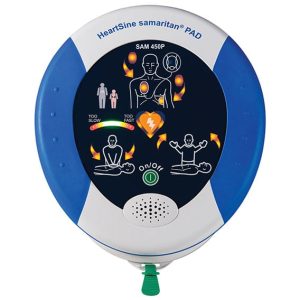
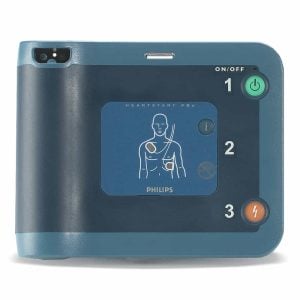
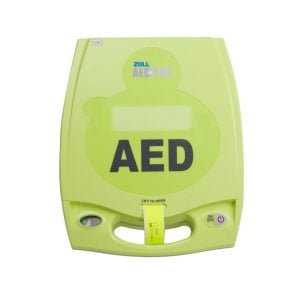
Airports require AEDs that are highly visible, easy to use, and accessible in high-traffic areas. Here’s what to look for when selecting an AED:
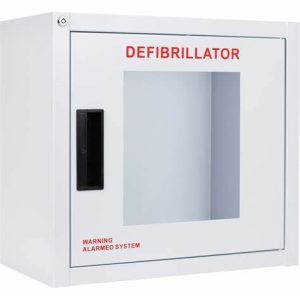
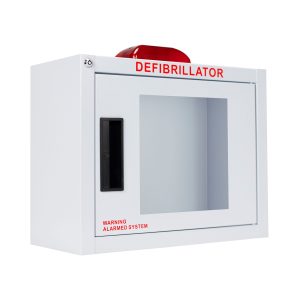
✔ Highly visible – AEDs should be installed in well-marked areas where passengers and staff can quickly locate them.
✔ Simple voice & visual instructions – Devices with clear, step-by-step guidance allow bystanders and airport employees to act fast.
✔ Portable for large airport facilities – Mobile AEDs can be carried by security teams, airline staff, and medical responders to reach victims faster.
✔ Long battery life & self-testing features – AEDs with automatic self-checks ensure they are always operational with minimal maintenance.
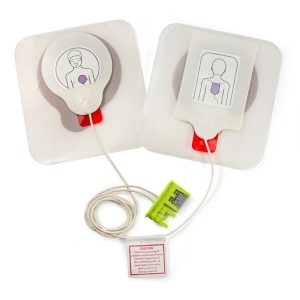
✔ Pediatric compatibility – Airports serve families with children, so pediatric pads or a child-mode setting should be available.
Explore more AED solutions
Looking for AEDs for other high-traffic environments? Check out: