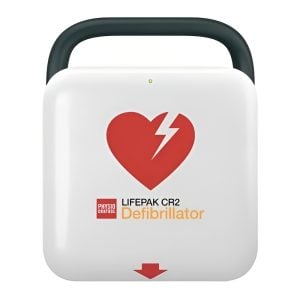
Sudden cardiac arrest can happen anywhere—even in the comfort of your own home. More than 70% of out-of-hospital cardiac arrests occur in residential settings, yet most homes are not equipped with an Automated External Defibrillator to provide immediate life-saving intervention. When every second counts, having an AED at home can mean the difference between life and death for a family member, friend, or visitor experiencing SCA.
For individuals with a history of heart disease, stroke, or other risk factors, an at-home AED is an essential safety measure that ensures immediate access to defibrillation before emergency responders arrive.
Why you should have an AED at home
Cardiac arrest is a leading cause of death, and survival depends on how quickly CPR and defibrillation are administered. Here’s why having an AED at home is critical:
- Most SCAs happen at home – Studies show that the majority of sudden cardiac arrests occur in residential settings, where EMS response times may be delayed.
- High-risk family members – Individuals with heart disease, a history of cardiac arrest, or genetic conditions are at a greater risk of experiencing SCA.
- Faster response than waiting for EMS – On average, it takes 8–12 minutes for paramedics to arrive, but brain damage can occur within 4–6 minutes without oxygen.
- Peace of mind – Knowing you have an AED at home provides reassurance for families with elderly relatives or individuals with medical conditions.
- Simple to use – Modern AEDs are designed for non-medical users, with clear voice instructions that guide you through the process step by step.
By having an AED readily available at home, you can take control in an emergency and act immediately to save a life.
Choosing the right AED for home use
Not all AEDs are suitable for home settings. When selecting an AED for personal use, consider these important features:
✔ Easy-to-use design – AEDs with voice and visual prompts help guide you through the rescue process, even if you have no medical training.
✔ Compact & portable – A home AED should be lightweight and easy to store in a visible, accessible location.
✔ Pediatric mode or pads – If you have children in your household, consider an AED with pediatric capabilities for safe use on younger patients.
✔ Low maintenance – Look for an AED with self-testing features to ensure it’s always ready for use without requiring frequent upkeep.
Give your family the best chance of survival
An AED at home is a small investment with life-saving potential. Whether you have a high-risk family member or simply want to be prepared, having an AED ensures that you’re ready to act in an emergency. Quick action saves lives—don’t wait until it’s too late.
Explore more AED solutions
Looking for AEDs for other settings? Check out: